How Homeowners Insurance Works for Residential Tree Removal in Yorktown and Newport News, VA
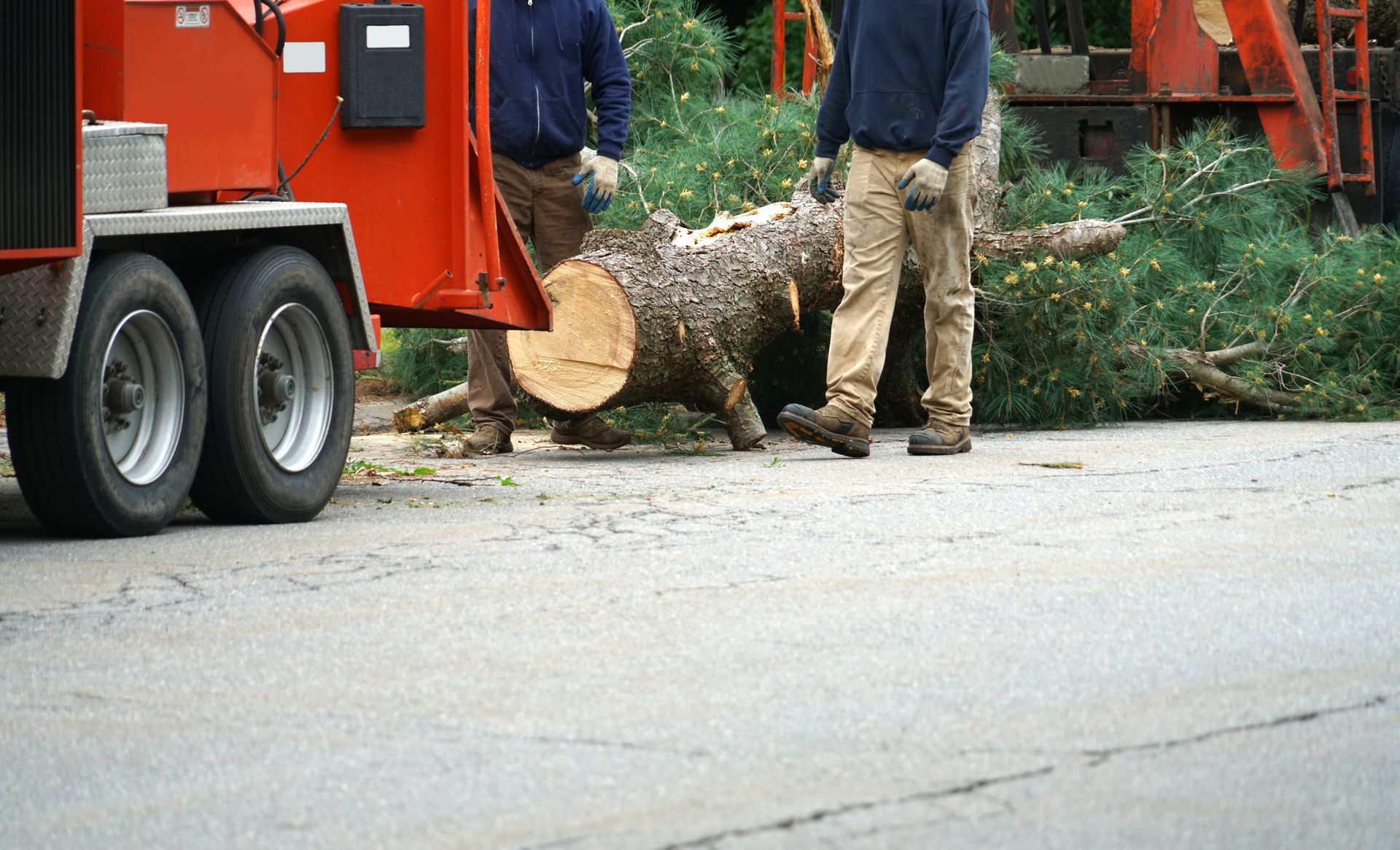
Homeowners in Yorktown, VA, and Newport News, VA, often wonder whether insurance will pay for tree removal after a hurricane or nor'easter. This guide explains when homeowners insurance may cover residential tree removal, how to file a claim, what documentation to gather, and the most common reasons claims get denied.
When Does Homeowners Insurance Cover Tree Removal?
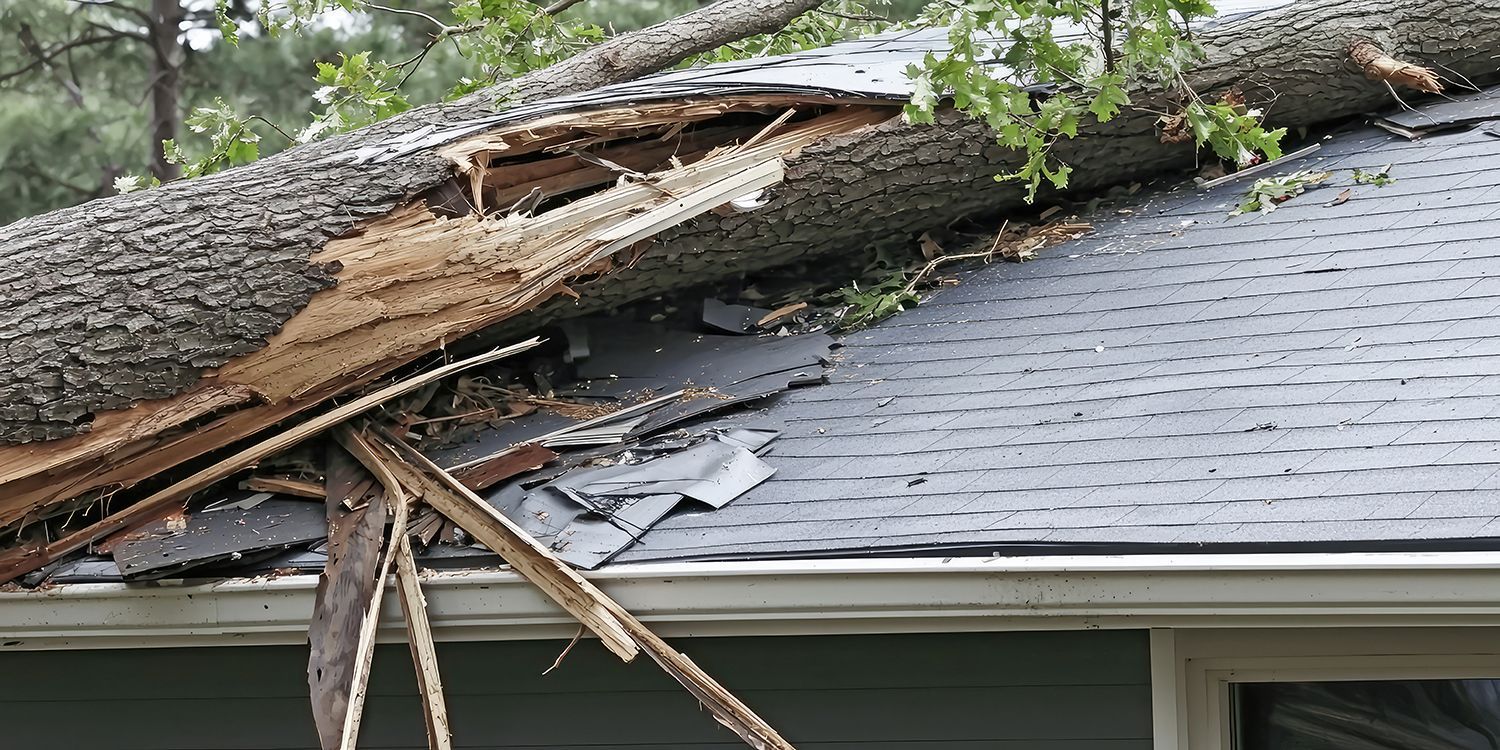
Insurance may pay for residential tree removal when a fallen tree damages a covered structure. That is the key rule most homeowners miss.
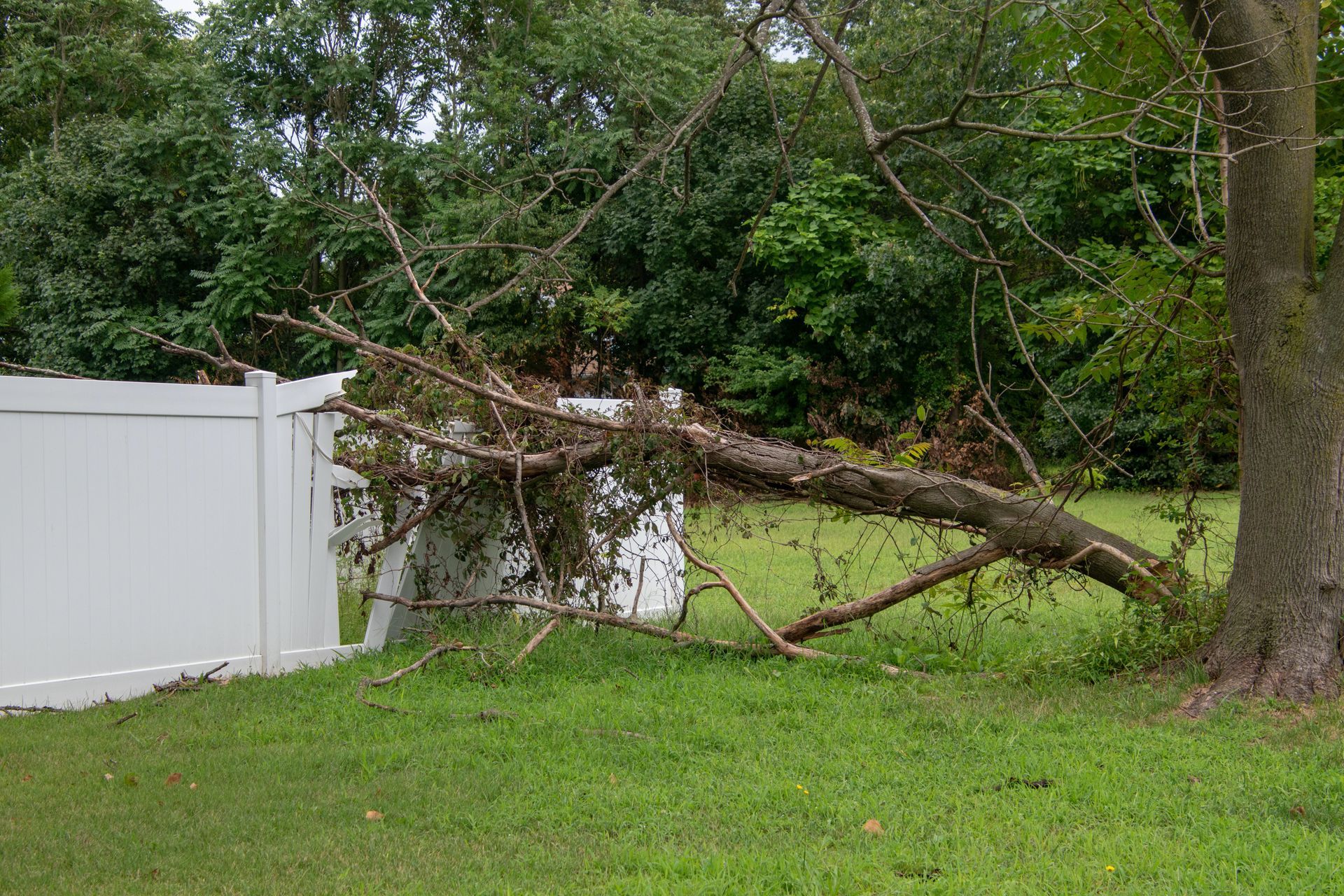
Standard homeowners policies typically pay for tree removal if a storm, lightning strike, or high wind causes a tree to fall on your home, garage, fence, or shed. The Virginia State Corporation Commission confirms that most policies pay for reasonable cleanup and removal costs when a tree falls and damages an insured structure. If a tree falls in your yard but misses every structure, removal is generally not covered unless the fallen tree blocks a driveway or a ramp for people with disabilities.
Hampton Roads sits in a hurricane-prone corridor. Yorktown and Newport News face seasonal threats from Atlantic hurricanes and nor'easters that push high winds and heavy rain inland from the Chesapeake Bay. Knowing your policy rules before a storm hits can save you thousands.
One important note: if a neighbor's tree falls onto your Yorktown property during a covered storm event, you typically file a claim with your own insurer. Your neighbor's policy only becomes relevant if their negligence, such as ignoring a visibly diseased tree, can be proven.
What Is Not Covered by Your Policy?
Most policies will not pay for residential tree removal when no covered damage occurred. Insurance does not cover preventative removal of a healthy or declining tree. If a tree shows signs of disease or leans dangerously toward your home but has not yet fallen, removal is your financial responsibility.
Additional situations that typically fall outside coverage include a tree damaged by flooding or earthquake without a separate policy, a tree that fell due to rot or disease (classified as a maintenance failure), a tree that fell without hitting an insured structure, and a damaged but still-standing tree that may fall in a future storm.
Proactive residential tree removal in Yorktown, VA, is the homeowner's responsibility, but it can prevent far larger damage claims later.
How to File a Tree Removal Insurance Claim
Filing quickly and with complete documentation gives your claim the best chance of approval.
- Make the property safe first. Stay away from downed power lines or unstable trees.
- Document everything before any cleanup begins. Take timestamped photos from multiple angles and note when the storm hit and what was damaged.
- Call your insurance carrier and open a claim as soon as possible.
- Do not discard debris until an adjuster has reviewed the damage.
- Get a written estimate from a licensed tree service with a detailed invoice that itemizes removal costs and describes the tree's condition.
- Keep all records, including every receipt, photo, and communication with your insurer.
Your insurer may send an adjuster to inspect the damage. Having documentation organized ahead of that visit helps move the process along.
What Documentation Can a Tree Service Provide?
A professional tree service can provide before-and-after photos, a written invoice describing the scope of work, and a signed work order detailing the tree's condition. Some insurers may also accept a written statement about the apparent cause of failure, such as wind damage versus rot.
For residential tree removal serving Yorktown and Newport News homeowners, choosing a licensed and insured contractor matters for more than safety. It also signals to your insurer that the work is legitimate and properly documented.
Does a Deductible Apply to Tree Removal Claims?
Yes. If removal and repair costs are close to or below your deductible, it may not make financial sense to file. Consider the total cost of structural repair plus removal compared to your deductible before submitting, since claims can affect future premiums.
Does Homeowners Insurance Cover a Neighbor's Tree on My Property?
Yes, in most cases. If a neighbor's tree falls on your structure during a covered storm event, you generally file with your own insurer. Neighbor liability typically only applies when negligence is demonstrated.
Does Insurance Cover Removal of a Healthy Tree That Never Fell?
No. Preventative residential tree removal is not covered by standard homeowners policies. You will need to arrange and pay for removal yourself before an event occurs.
What Happens if the Tree Fell on My Car?
A tree falling on a vehicle is generally covered by the comprehensive portion of your auto insurance policy, not your homeowners policy. File that claim separately with your auto insurer.
Will Filing a Tree Claim Raise My Premium?
It may. Weigh the payout amount against your deductible and the potential premium impact before deciding whether to file.
Get Expert Help Before and After a Storm
Taking action before hurricane season gives Yorktown and Newport News homeowners the best protection. Top Notch Tree Service provides dependable
residential tree removal services serving Yorktown, VA, helping homeowners identify hazardous trees, remove storm-damaged timber, and gather the documentation that insurance adjusters need. The team is licensed, insured, and has served the Virginia Peninsula for more than 35 years. Call
(757) 220-5781 for a free estimate or
contact the team online to schedule a property assessment. You can also find and review
Top Notch Tree Service on Google.