Stump Grinding vs. Stump Removal: Which Is Right for Your Williamsburg Yard?
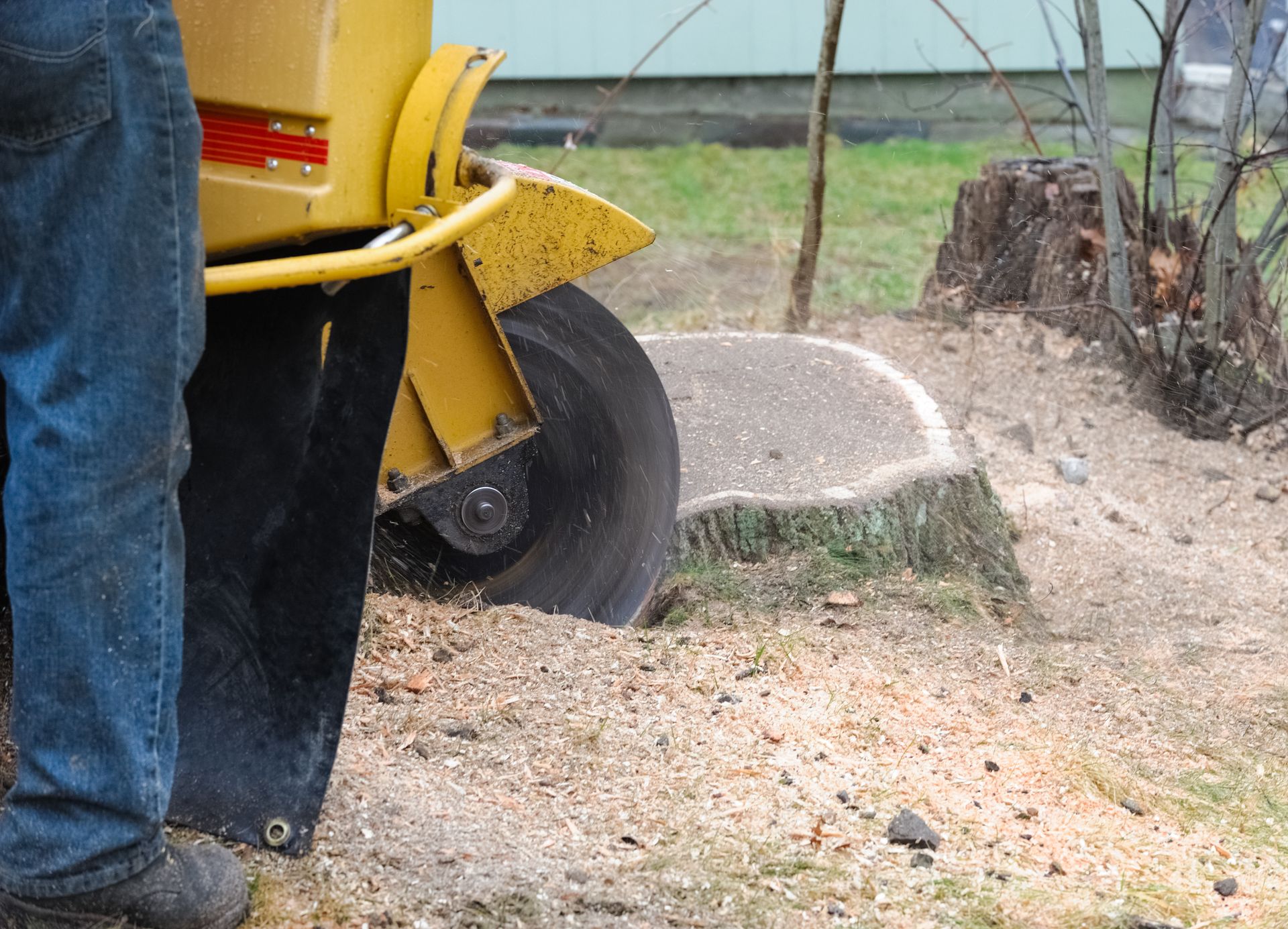
Stump grinding is the right choice for most Williamsburg, VA, homeowners; full stump removal is only necessary when construction or a new foundation is planned. Understanding the difference can save you time, money, and disruption. This guide explains how each method works, what it costs, and when stump grinding makes more sense than full removal.
How Does Stump Grinding Work?
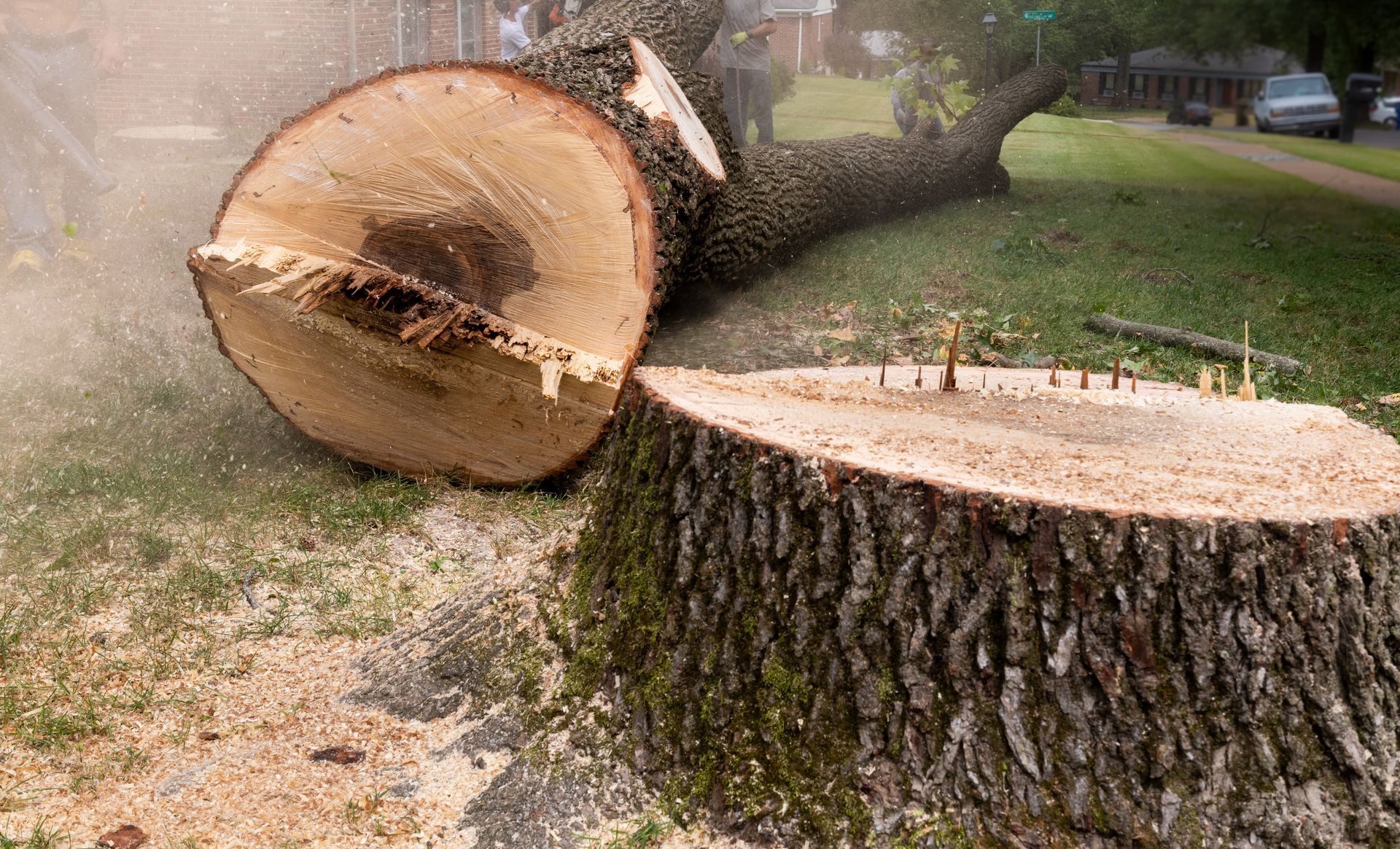
A grinder chips the stump down 6 to 12 inches below the soil surface using a rotating cutting wheel, leaving behind a shallow depression filled with mulch-like material. That material can be used as ground cover or raked over and seeded with grass.
Stump grinding is fast and causes minimal disruption. Most residential stumps can be ground in under an hour. Speed and minimal yard disruption are among the most common reasons homeowners choose grinding over full removal.
How Does Full Stump Removal Work?
Full stump removal means excavating the entire root ball using heavy equipment. The result is a large void that must be filled with soil before any replanting or construction can begin.
This method is more disruptive and more expensive than grinding. It is typically reserved for situations where the root system must be completely cleared, such as a new build, poured foundation, or addition breaking ground in the same area.
What Does Each Method Cost?
Stump grinding generally ranges from $75 to $200 per stump. Full removal typically runs $200 to $500 or more, depending on root system size and excavation depth.
For most homeowners, grinding offers a far better return. The remaining root material breaks down naturally over time, and the lower cost is one reason stump grinding is consistently more popular than full stump removal.
Which Option Is Right for Your Williamsburg Yard?
Stump grinding works well for lawn preparation, garden bed renovation, and eliminating trip hazards. Full removal may be necessary if you are pouring concrete or building a structure over the cleared area.
Soil type can also influence the process. Sandy loam common in neighborhoods like New Town and Kingsmill allows faster grinding, while clay-heavy lots near the Colonial District may require more time due to denser soil composition.
Here is a quick guide to help you decide:
▸ Choose stump grinding if you plan to reseed grass, add mulch, or plant new landscaping.
▸ Choose stump grinding if you want to eliminate a mowing hazard or eyesore.
▸ Choose full removal if a contractor requires a completely clear root zone for new construction.
▸ Choose full removal if the root system is actively damaging a nearby foundation or utility line.
How Deep Does Stump Grinding Go?
A professional grinder typically cuts 6 to 12 inches below grade, which is sufficient for most lawn and garden use.
Can I Plant a New Tree Where a Stump Was Ground?
Yes, but wait at least one season for the remaining chips and root material to begin breaking down before planting in the same spot.
Does Stump Grinding Leave a Mess?
Grinding produces wood chips that remain in the hole. Most crews mound them over the depression, and they can be used as mulch or disposed of during cleanup.
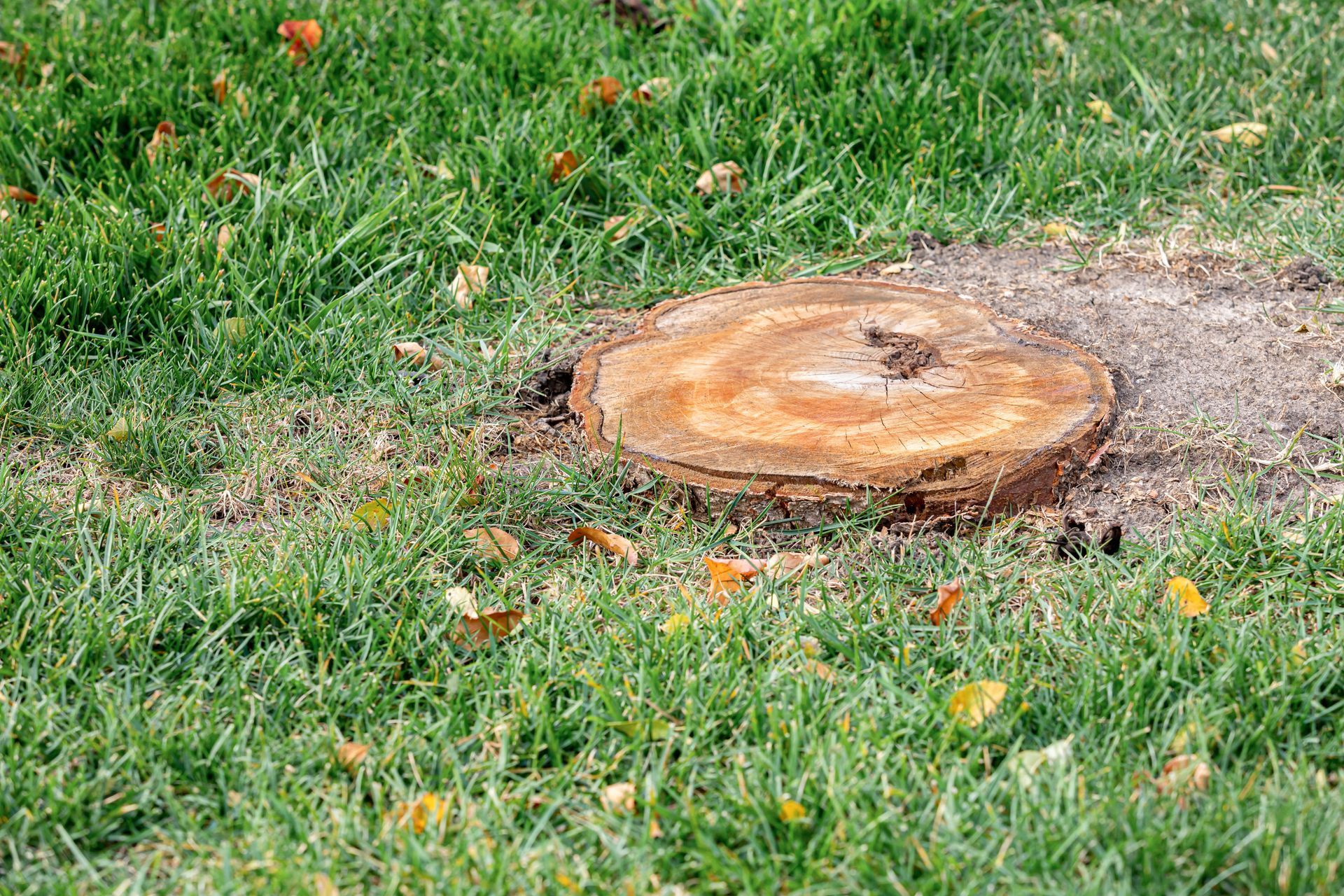
Get a Free Estimate for Your Stump Today
Stump grinding is a practical, affordable solution for most yards. Top Notch Tree Service has served the Virginia Peninsula since 1989 and offers competitive pricing on stump grinding and full tree removal services. Call 757-220-5781 for a free estimate, or visit the contact page to schedule a time that works for you.